A MAKS Herbal feature
The Golden Berryof the Himalaya.
It grows where the air is thin and the soil is poor, along cold mountain rivers. It protects its fruit with thorns, holds the slopes together with its roots — and bears berries of extraordinary richness.
I · Botanical identity
A shrub built for the extremes.
- Botanical name
- Hippophae rhamnoides
- Family
- Elaeagnaceae
- Habitat
- Cold, dry Himalayan valleys and river beds
- Altitude
- Roughly 2,000 – 4,500 m
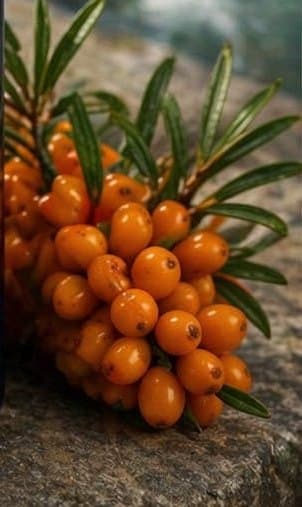
Seabuckthorn is a hardy, thorny deciduous shrub with narrow silver-green leaves. In late summer its branches become crowded with small, bright orange berries that cling to the stem — so densely that harvesting them is slow, careful work done by hand.
In India it grows in the cold desert valleys of Ladakh and Lahaul-Spiti and in the high valleys of Uttarakhand, Himachal and Sikkim. Its roots live in partnership with nitrogen-fixing bacteria, which allows the plant to enrich poor soil — and its spreading root network binds riverbanks and slopes against erosion.
Its botanical name is often traced to the Greek hippos (horse) and phaos (shine), from the old story that horses fed on its leaves grew a glossy coat.
II · Why it is remarkable
Unusually rich, in every part.
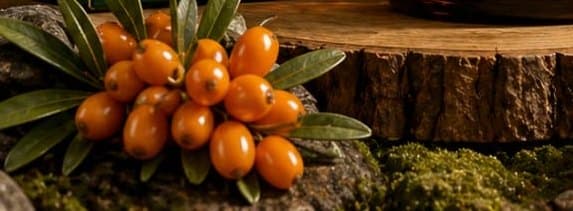
Few fruits concentrate as much in so small a berry. Its pulp, its seeds and its leaves each carry a different profile, which is why the plant is used whole in traditional practice.
Vitamin C
The berries are among the richest fruit sources of vitamin C.
Omega 7
The fruit pulp oil is one of the few plant sources of palmitoleic acid (omega 7).
Omega 3 & 6
The seed oil is rich in the essential fatty acids alpha-linolenic and linoleic acid.
Carotenoids
The deep orange colour comes from beta-carotene and related carotenoids.
Flavonoids
Berries and leaves carry flavonoids such as quercetin and isorhamnetin.
Vitamin E
Tocopherols in the oils add to its natural antioxidant profile.
III · Its place in tradition
A food of endurance, for centuries.
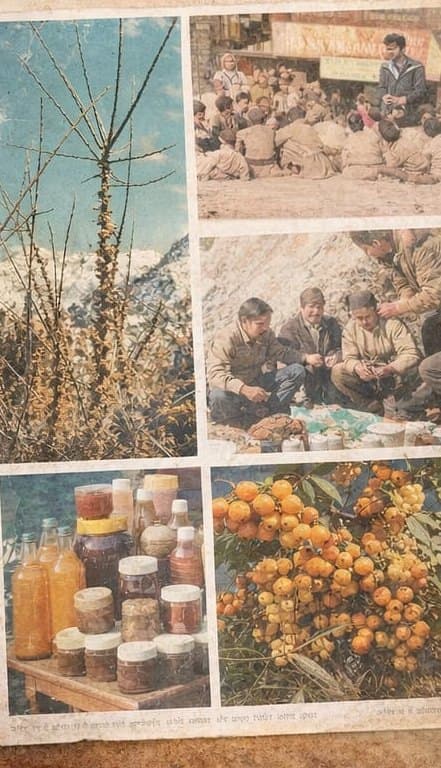
Seabuckthorn appears in classical Tibetan medical texts and has long been part of life in the trans-Himalaya, where its berries were gathered for the cold months and taken for strength, digestion and the breath.
Mountain communities have used its berries as food, its leaves as tea and fodder, and its thorny branches as living fences. Today it is studied around the world for its nutritional and antioxidant properties — a modern interest in a very old companion.
IV · How MAKS Herbal works with it
Target herb + Seabuckthorn.
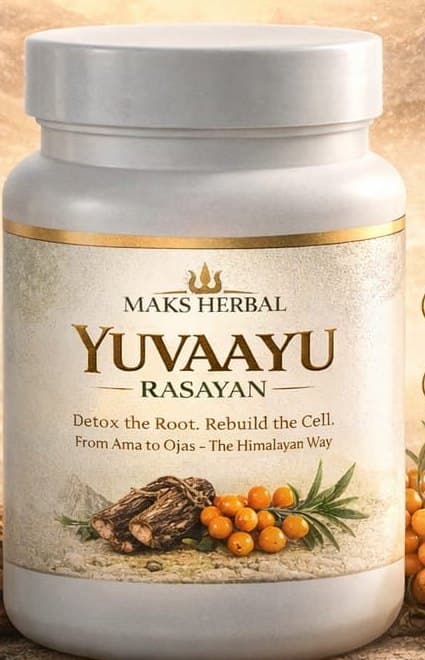
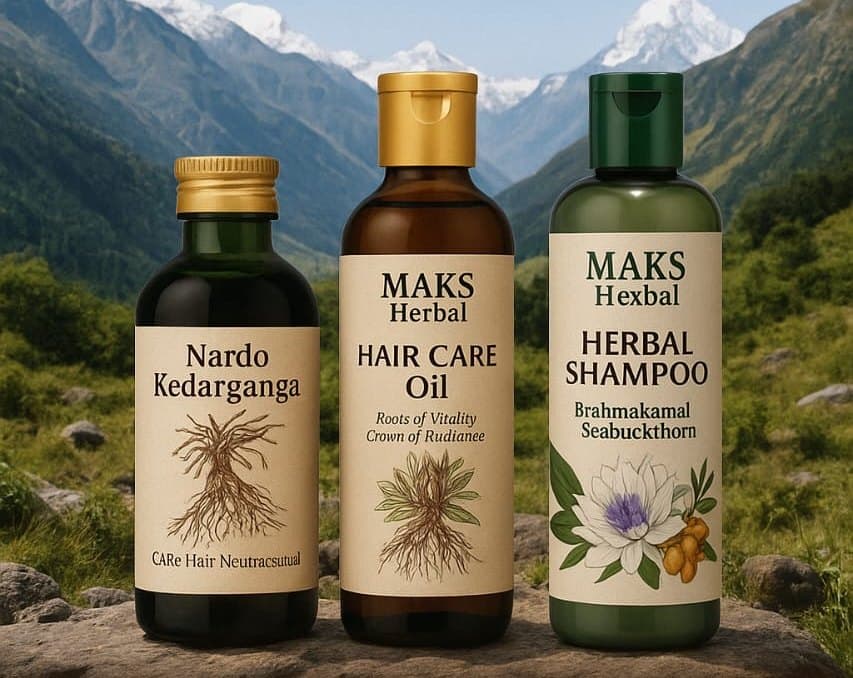
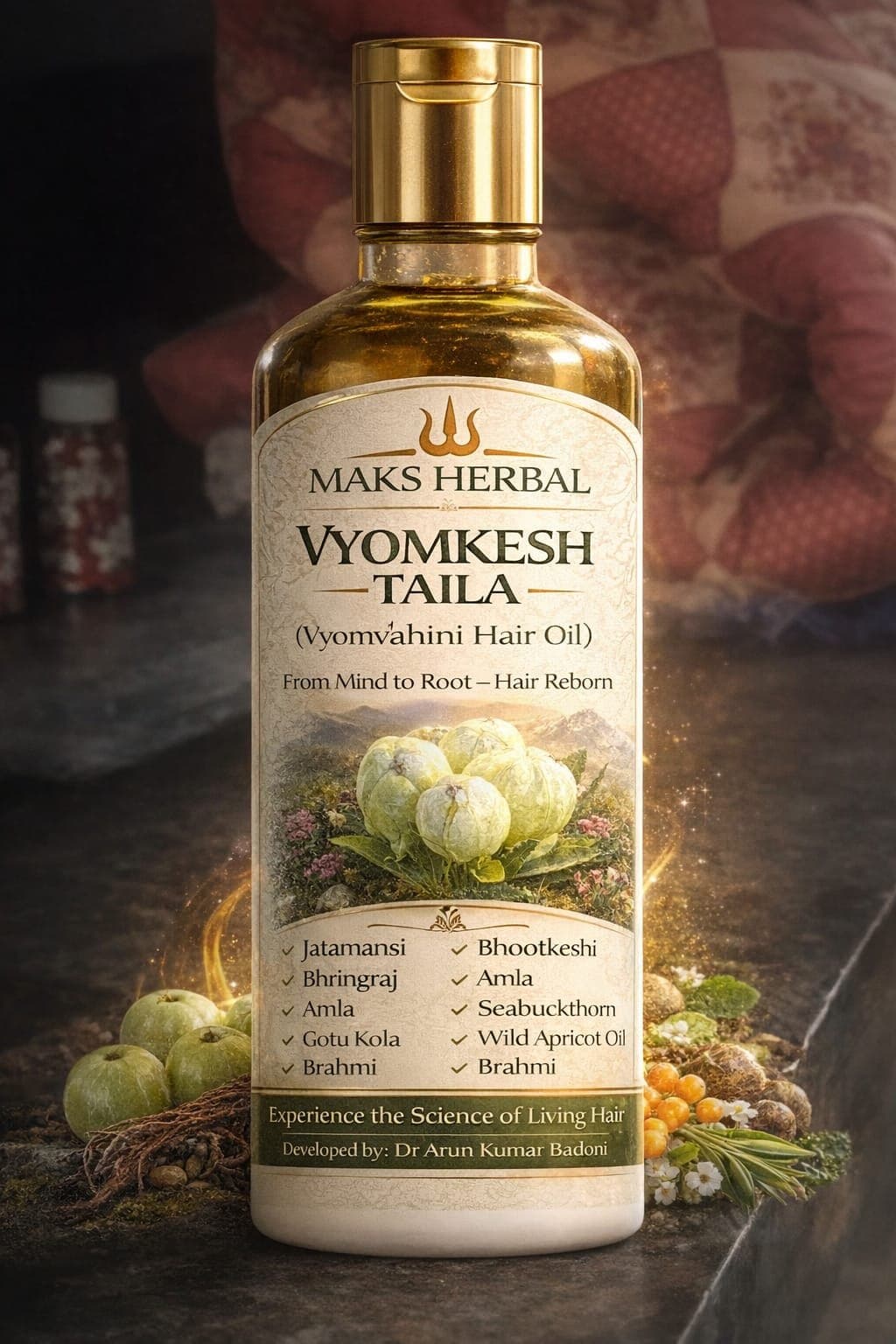
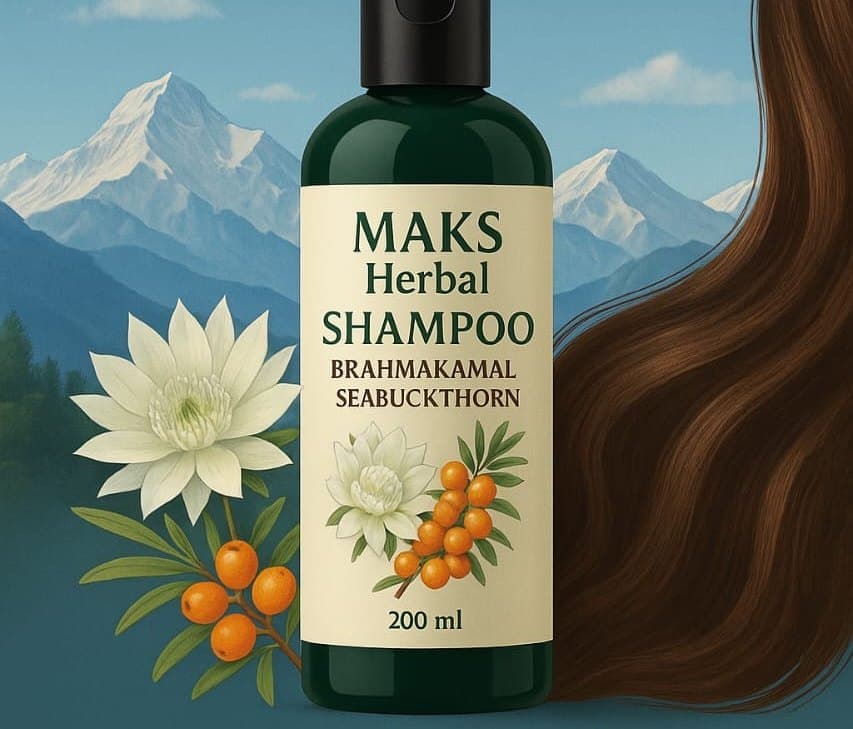
Most of our formulations follow one principle, which we call the PLUS concept. Each pairs a specific Himalayan herb — chosen for a particular purpose — with seabuckthorn as a nourishing, balancing base.
We work with the whole plant — panchang: berry, leaf, seed, bark and root — rather than a single extract. Seabuckthorn is cultivated alongside our other botanicals in our Himalayan plots, and wild berries are handpicked at altitude.
The result is a family of formulations built for balance, recovery and resilience — each one shaped by a specific herb, all of them grounded in the golden berry.
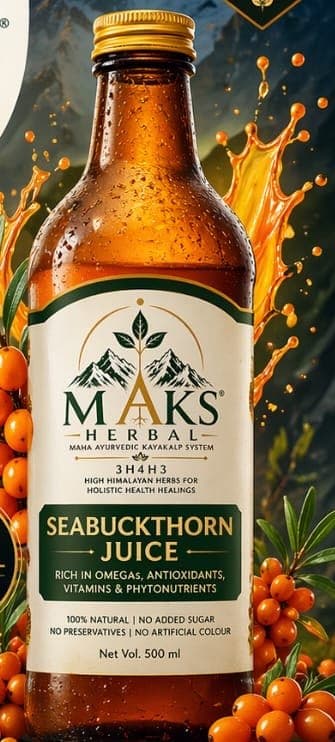
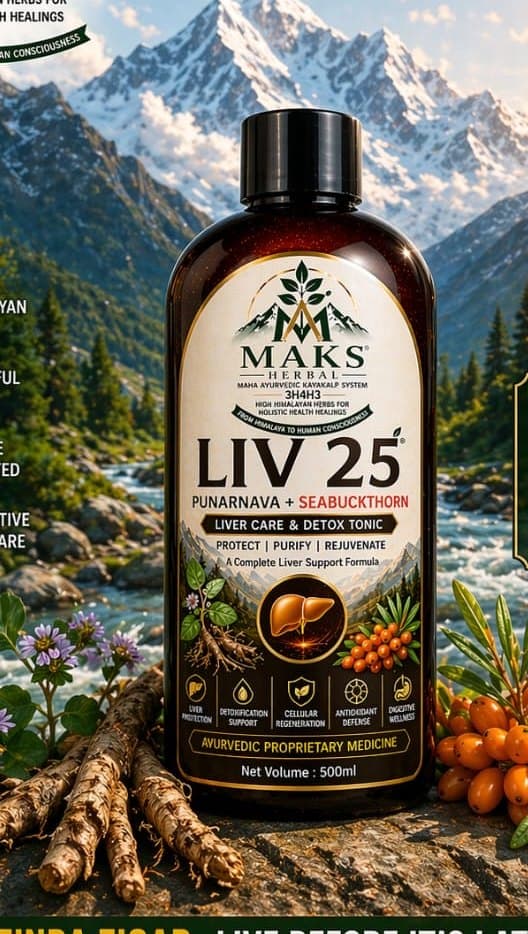
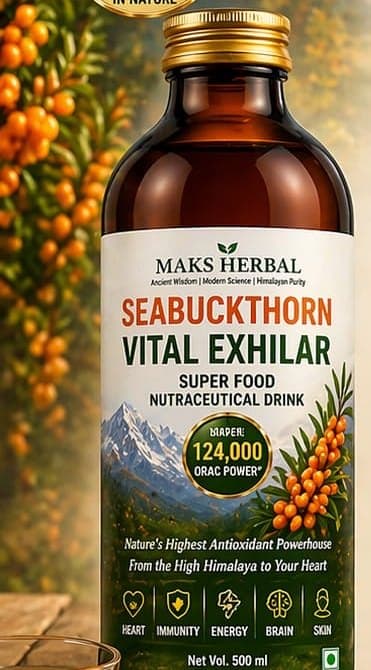
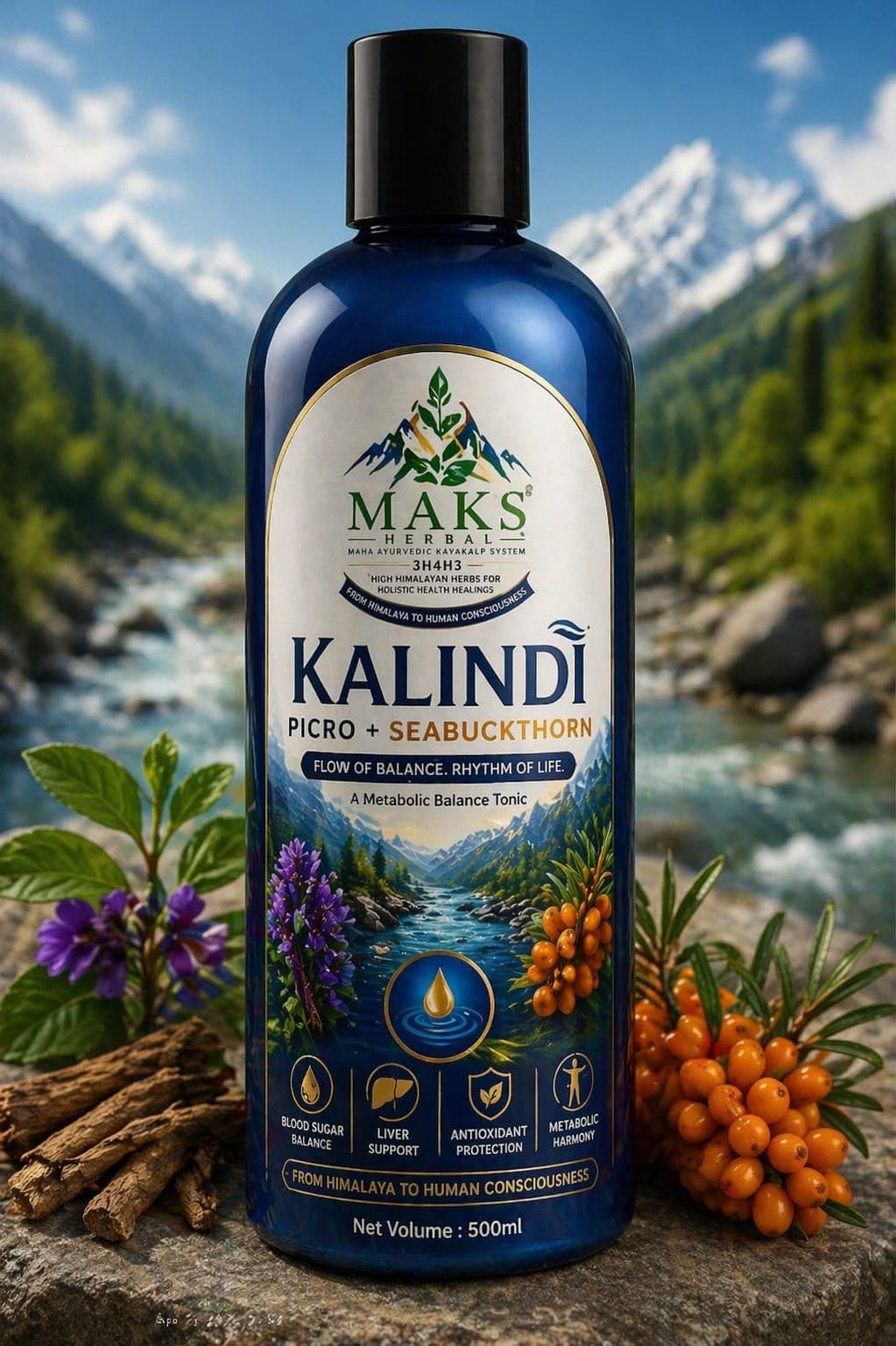
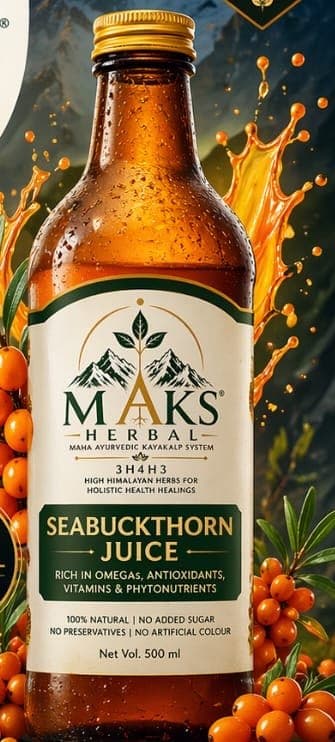
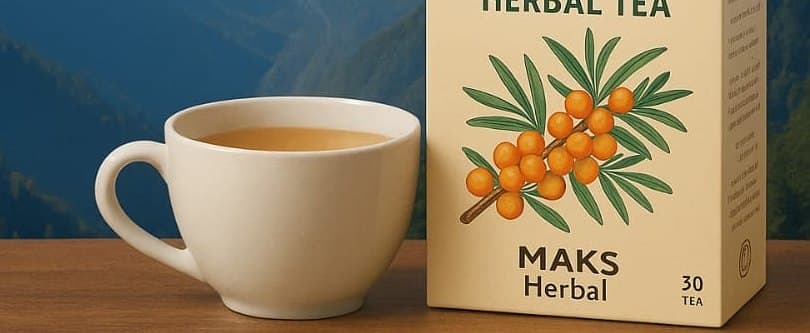
Formulations with seabuckthorn
Where you will find it
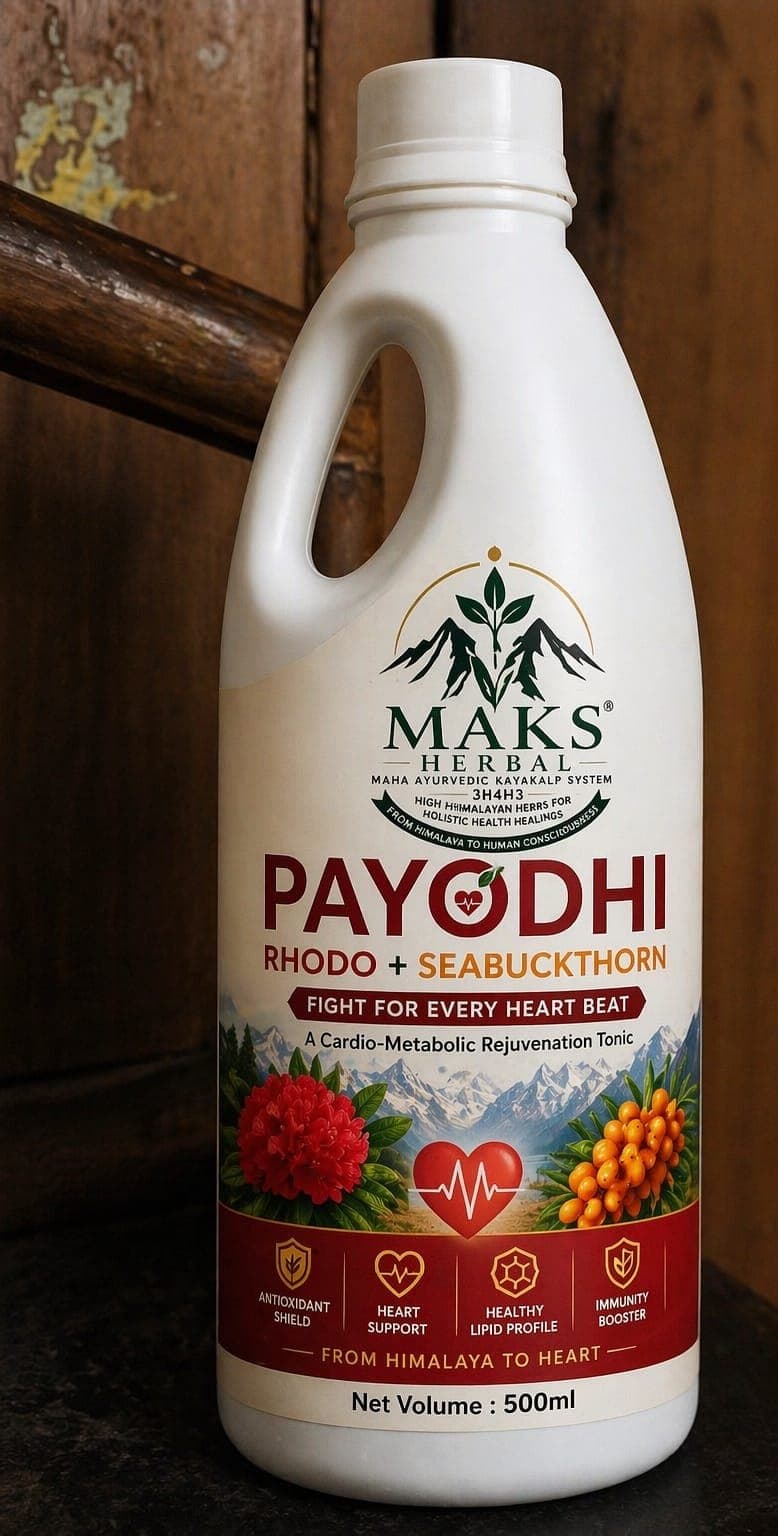
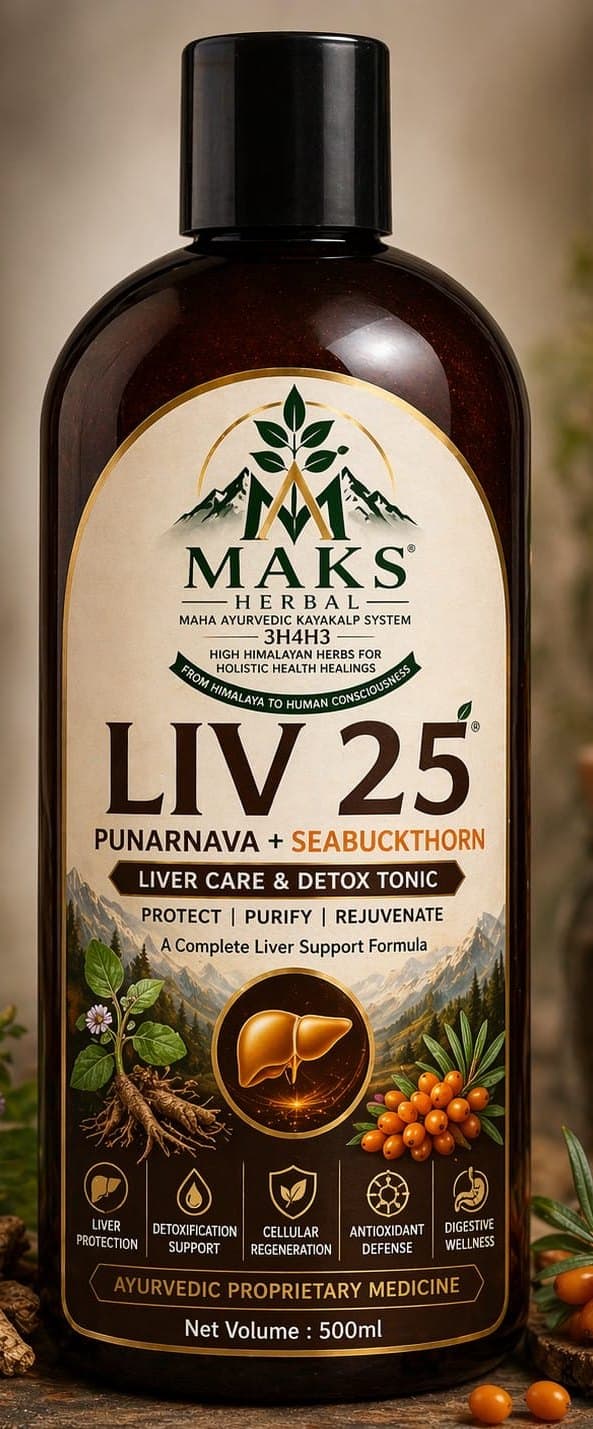
Nutritional information on this page describes seabuckthorn as a plant and is drawn from published botanical literature. It is not a claim about the effect of any specific MAKS Herbal product.